How to Arrange Group Transportation for Seamless Travel Experiences
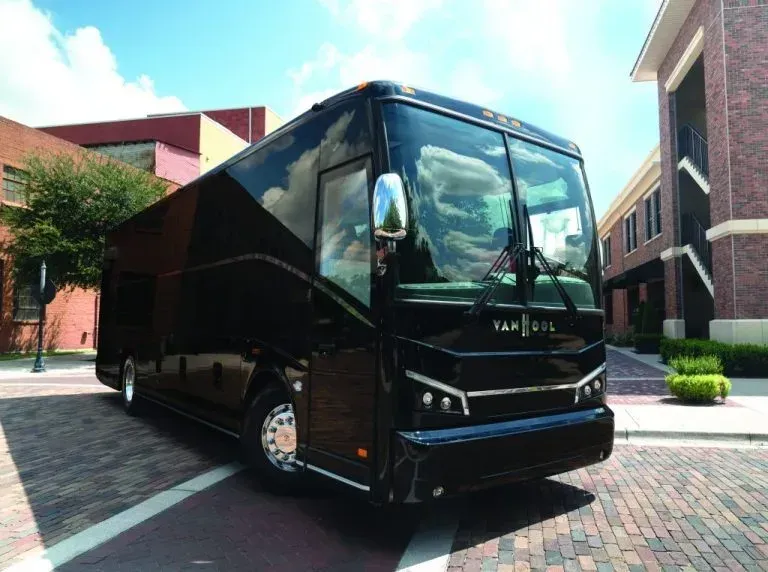
Arranging transportation for a large group can quickly grow into a complex assignment when multiple schedules, pickup logistics, and travel expectations come into play. Whether the occasion is a professional meeting, family event, social outing, or special gathering, coordinating punctual arrivals requires thoughtful organization. A event transportation carefully coordinated transportation plan helps eliminate complications, lessen delays, and create a more pleasant experience for every participant. By mastering the important elements of coordinating group transportation, planners can deliver a smooth and organized travel experience from start to finish.
When numerous travelers journey together, transportation extends beyond basic passenger movement between locations. It contributes meaningfully to the success of the overall experience. Well-managed coordination assists with maintaining schedules, encouraging communication, and creating a more pleasant travel experience. At A1 Quality Express Limousine, we believe organized transportation services play a vital role in helping groups travel with ease and peace of mind.
Prepare Transportation Arrangements in Advance
Efficient group transportation begins by planning early. Leaving transportation planning too late may restrict options and complicate efforts to address specific group needs. Organizers should begin by determining the number of passengers, travel dates, estimated departure times, and destination requirements. Early information gathering lays the groundwork for transportation arrangements that complement the event timeline.
Proactive planning creates time to address concerns before they develop into larger obstacles. Transportation arrangements can be affected by traffic conditions, event timelines, pickup coordination, and accessibility requirements. Addressing these factors in advance helps organizers establish a transportation plan that supports smooth movement. Careful planning regularly produces more efficient travel experiences with fewer complications.
Evaluate Group Size and Travel Requirements
One of the primary aspects of group transportation planning is determining passenger numbers and specific requirements. Correct passenger totals help planners choose suitable vehicles while avoiding capacity-related issues. Planners should verify attendance information early and revise those numbers whenever plans change.
In addition to attendance totals, organizers should evaluate the specific needs of individual travelers. Some travelers may require additional luggage space, while others may need special accommodations or assistance. Awareness of these details supports transportation arrangements that better serve the group. Carefully gathering complete information contributes to a more efficient and enjoyable travel experience for all participants.
Build a Structured Transportation Schedule
A precise transportation schedule provides direction for the entire group. Coordinators should define departure timings, pickup areas, estimated travel durations, arrival expectations, and stopovers along the route. Having a detailed schedule minimizes uncertainty and helps everyone understand where they need to be and when. Consistency and clarity are especially valuable when managing larger groups with multiple participants.
Communication plays a significant role in making schedules effective. All group members should obtain transportation information in advance. Distributing itineraries via email, messaging apps, or printed documents ensures everyone stays informed. When expectations are clearly communicated, transportation processes become smoother and more efficient.
Create Unified Pickup and Drop-Off Locations
Handling several pickup points can add unnecessary complications to large-group travel. Organizers should prioritize centralized locations whenever practical for easier coordination. Centralizing locations helps speed up boarding and minimizes delays caused by frequent stops. It also simplifies communication and improves overall efficiency.
Centralized points allow for easier confirmation of all travelers before departure. Group leaders can verify attendance, distribute updates, and answer questions before the journey begins. This structured approach ensures all participants are ready and helps maintain schedule accuracy. Clear designated points strongly support a coordinated travel process.
Prioritize Clear Communication Throughout the Process
Effective communication is one of the most valuable tools in successful transportation coordination. Travelers should be consistently informed about timing, pickup guidance, expectations, and updates. Providing accurate information helps eliminate confusion and allows passengers to prepare appropriately for the trip. Good communication improves operational flow and traveler satisfaction.
Coordinators should set up consistent communication methods for all updates. Designated contacts and digital communication tools help spread updates quickly. At the center of every successful plan, communication ensures consistency and awareness. Frequent updates improve reassurance and reduce potential issues.
Plan for Unexpected Circumstances
No matter how detailed the plan, unexpected conditions may still arise. Weather issues, traffic delays, schedule changes, and participant lateness may require fast decisions. Flexibility within planning improves the ability to handle sudden changes. Good preparation improves resilience during unexpected changes.
Preparedness plans should incorporate communication backups and alternative arrangements. Defined procedures support calm and organized reactions to unexpected issues. Anticipatory planning keeps operations effective even when changes occur.
Focus on Passenger Comfort and Convenience
Passenger comfort is essential to a positive transportation experience. Groups traveling together for long periods require strong focus on comfort. A well-managed environment and seating comfort enhance the travel experience. Passenger comfort increases enjoyment and readiness upon arrival.
Convenience is an important factor in smooth transportation management. Easy boarding systems, clear directions, and efficient scheduling reduce complications. When transport is well organized, passengers can enjoy the event instead of stressing about logistics. Comfortable and convenient travel contributes to a more successful occasion.
Collaborate with Experienced Transport Providers
Managing large-group transportation requires coordination across many factors, making expert support beneficial. Experienced transportation providers understand how to manage schedules, coordinate passenger movements, and maintain efficient operations throughout the journey. Their expertise can help organizers navigate complex logistics while ensuring transportation plans remain organized and reliable.
Skilled transport professionals bring practical knowledge that enhances coordination. Familiarity with large-group travel allows professionals to foresee challenges and offer guidance. Using expert support allows organizers to concentrate on the event while logistics are managed properly.
Make Group Transportation Part of the Event Experience
Transportation should be considered part of the event rather than just a way to travel. Coordinated travel allows guests to start experiencing the event early. Well-managed transport enhances the event atmosphere and experience.
At A1 Quality Express Limousine, we understand that successful transportation relies on planning, communication, and customer care. With the right approach, coordinating large-group travel can be simple and efficient. Focusing on planning, organization, and comfort ensures a seamless travel experience for any occasion. We are proud to provide seamless travel experiences that give passengers confidence and ease.